• Welcome to The Tolkien Forum! Connect with fellow Tolkien enthusiasts and join a community that is over two decades old, and still going strong. We look forward to meeting you.  Register

Looking for help on how to confirm that name meanings are correct.

gbrasen

New Member
Joined
Jun 27, 2026
Messages
2
I have some names that I am looking to create for some characters. I wanted to try to find somewhere/someone who can help confirm my translation (and the accompanying Tengwar/Cirth)

If someone could point me in the correct direction for resources or confirm my translations, I would be very grateful.

Here is what I have:
I: Masculine Name
Malhuinë


  • Linguistic Origin: Constructed Quenya roots.
  • Literal Translation: "Shadow of Gold" or "Gloom of Gold."
  • Etymological Breakdown:
    • Mal- (or Mall-): The universal Elvish root for "gold," "yellow," or "golden light" (e.g., Mallorn, the Golden Tree; Malduin, the Golden River).
    • -huinë: In Quenya, this signifies "shadow," "gloom," or "deep twilight" (e.g., Taur-nu-Fuin, Forest under Shadow).
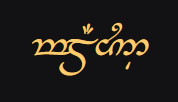
      Tengwar Script: see attached image
Part II: Feminine Names

1. Mincalassë


  • Linguistic Origin: Quenya (High Elven).
  • Literal Translation: "The First Light of Joy."
  • Etymological Breakdown: Formed from minia (first), cala (light), and alassë (joy).
  • Phonetic Pronunciation: meen-kah-LAHS-seh
    • The Stress: The emphasis is placed heavily on the third syllable: LAHS.
    • M-i-n: The i is short but crisp, like the "ee" sound in meet but cut short.
    • c-a: The c is always hard, sounding exactly like a "k". The a is wide and open, like the "a" in father.
    • l-a-s-s: The ss must be held slightly longer, pronounced sharply like the "ss" in asset.
    • ë: The final e is never silent in Elvish. It is pronounced as a short "eh" sound, like the "e" in pet.
  • Tengwar Script: Written in the High-Vowel Tehtar mode, where vowel marks float as diacritics above the preceding consonants.
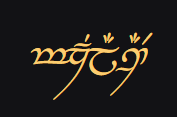
  • see attached image


2. Ængelēoht

  • Linguistic Origin: Rohirric / Old English (Representing the Language of Northern Men).
  • Literal Translation: "Angel-Light" or "The Angel Who Brought Light to the Gloom."
  • Etymological Breakdown: Built from Engel (the historical Anglo-Saxon word for angel) and lēoht (light/radiance).
  • Phonetic Pronunciation: ASHN-gel-AY-ocht
    • The Æ (ash): Makes a short "ah-eh" blend, sounding exactly like the "a" in modern cat or hat.
    • The g: Always hard, like in get.
    • The ēo: A sliding vowel sound (diphthong). The long ē sounds like the "ay" in day, sliding rapidly into a very short "oh" sound (AY-oh).
    • The ht: The h is pronounced roughly in the back of the throat like the "ch" in the Scottish word loch or German ach.
  • Cirth Runes (Northern Engraving Script):ᚫᚾᚷᛡᛚᛡᚻᛏ
    • Breakdown: ᚫ (Æ) | ᚾ (N) | ᚷ (Hard G) | (E) | (L) | (EO) | ᚻ (Breathy H) | ᛏ (T)
3. Lifwynn

  • Linguistic Origin: Rohirric / Old English.
  • Literal Translation: "The Joy of My Life" or "The Hope I Need to Live."
  • Etymological Breakdown: Built from līf (life) and wynn (joy/hope).
  • Phonetic Pronunciation: LEEF-winn
    • The i: Makes a long "ee" sound, exactly like the vowel in machine or feed. Do not pronounce it as a short "ih" like the modern word life.
    • The f: Softens slightly toward a "v" quality as it smoothly transitions into the w.
    • The y: A tight, short vowel sound, pronounced like a crisp winn.
  • Cirth Runes (Northern Engraving Script):ᛚᛁᚠᚹᚾᚾ
    • Breakdown: ᛚ (L) | ᛁ (Long E) | (F/V) | ᚹ (W) | ᚾᚾ (Tight Y/N blend)
4. Angelwynn

  • Linguistic Origin: Rohirric / Old English.
  • Literal Translation: "The First Spark of Joy" or "The Joy that Began My Life."
  • Etymological Breakdown: Relates to on-ginnan or ang-el (the beginning/the first spark) combined with wynn (joy/hope).
  • Phonetic Pronunciation:AHN-gel-winn
    • The A: Short, open sound like the "a" in father. Do not pronounce it like the "ay" sound in the modern English word Angel.
    • The g: Always a hard g, like in get.
  • Cirth Runes (Northern Engraving Script):ᚪᚾᚷᛡᛚᚹᚾᚾ
    • Breakdown: ᚪ (Ahn) | ᚾ (N) | ᚷ (Hard G) | (Eh) | (L) | ᚹ (W) | ᚾᚾ (Double N/Y sound)
 

Attachments

  • Mahluinë.png
    Mahluinë.png
    1.5 KB · Views: 17
  • Mincalassë.png
    Mincalassë.png
    1.7 KB · Views: 18
part of a gift... so would definitely like to be sure things are correct
I have some names that I am looking to create for some characters. I wanted to try to find somewhere/someone who can help confirm my translation (and the accompanying Tengwar/Cirth)

If someone could point me in the correct direction for resources or confirm my translations, I would be very grateful.

Here is what I have:
I: Masculine Name
Malhuinë


  • Linguistic Origin: Constructed Quenya roots.
  • Literal Translation: "Shadow of Gold" or "Gloom of Gold."
  • Etymological Breakdown:
    • Mal- (or Mall-): The universal Elvish root for "gold," "yellow," or "golden light" (e.g., Mallorn, the Golden Tree; Malduin, the Golden River).
    • -huinë: In Quenya, this signifies "shadow," "gloom," or "deep twilight" (e.g., Taur-nu-Fuin, Forest under Shadow).
      Tengwar Script: see attached image
Part II: Feminine Names

1. Mincalassë


  • Linguistic Origin: Quenya (High Elven).
  • Literal Translation: "The First Light of Joy."
  • Etymological Breakdown: Formed from minia (first), cala (light), and alassë (joy).
  • Phonetic Pronunciation: meen-kah-LAHS-seh
    • The Stress: The emphasis is placed heavily on the third syllable: LAHS.
    • M-i-n: The i is short but crisp, like the "ee" sound in meet but cut short.
    • c-a: The c is always hard, sounding exactly like a "k". The a is wide and open, like the "a" in father.
    • l-a-s-s: The ss must be held slightly longer, pronounced sharply like the "ss" in asset.
    • ë: The final e is never silent in Elvish. It is pronounced as a short "eh" sound, like the "e" in pet.
  • Tengwar Script: Written in the High-Vowel Tehtar mode, where vowel marks float as diacritics above the preceding consonants.
  • see attached image


2. Ængelēoht

  • Linguistic Origin: Rohirric / Old English (Representing the Language of Northern Men).
  • Literal Translation: "Angel-Light" or "The Angel Who Brought Light to the Gloom."
  • Etymological Breakdown: Built from Engel (the historical Anglo-Saxon word for angel) and lēoht (light/radiance).
  • Phonetic Pronunciation: ASHN-gel-AY-ocht
    • The Æ (ash): Makes a short "ah-eh" blend, sounding exactly like the "a" in modern cat or hat.
    • The g: Always hard, like in get.
    • The ēo: A sliding vowel sound (diphthong). The long ē sounds like the "ay" in day, sliding rapidly into a very short "oh" sound (AY-oh).
    • The ht: The h is pronounced roughly in the back of the throat like the "ch" in the Scottish word loch or German ach.
  • Cirth Runes (Northern Engraving Script):ᚫᚾᚷᛡᛚᛡᚻᛏ
    • Breakdown: ᚫ (Æ) | ᚾ (N) | ᚷ (Hard G) | (E) | (L) | (EO) | ᚻ (Breathy H) | ᛏ (T)
3. Lifwynn

  • Linguistic Origin: Rohirric / Old English.
  • Literal Translation: "The Joy of My Life" or "The Hope I Need to Live."
  • Etymological Breakdown: Built from līf (life) and wynn (joy/hope).
  • Phonetic Pronunciation: LEEF-winn
    • The i: Makes a long "ee" sound, exactly like the vowel in machine or feed. Do not pronounce it as a short "ih" like the modern word life.
    • The f: Softens slightly toward a "v" quality as it smoothly transitions into the w.
    • The y: A tight, short vowel sound, pronounced like a crisp winn.
  • Cirth Runes (Northern Engraving Script):ᛚᛁᚠᚹᚾᚾ
    • Breakdown: ᛚ (L) | ᛁ (Long E) | (F/V) | ᚹ (W) | ᚾᚾ (Tight Y/N blend)
4. Angelwynn

  • Linguistic Origin: Rohirric / Old English.
  • Literal Translation: "The First Spark of Joy" or "The Joy that Began My Life."
  • Etymological Breakdown: Relates to on-ginnan or ang-el (the beginning/the first spark) combined with wynn (joy/hope).
  • Phonetic Pronunciation:AHN-gel-winn
    • The A: Short, open sound like the "a" in father. Do not pronounce it like the "ay" sound in the modern English word Angel.
    • The g: Always a hard g, like in get.
  • Cirth Runes (Northern Engraving Script):ᚪᚾᚷᛡᛚᚹᚾᚾ
    • Breakdown: ᚪ (Ahn) | ᚾ (N) | ᚷ (Hard G) | (Eh) | (L) | ᚹ (W) | ᚾᚾ (Double N/Y sound)
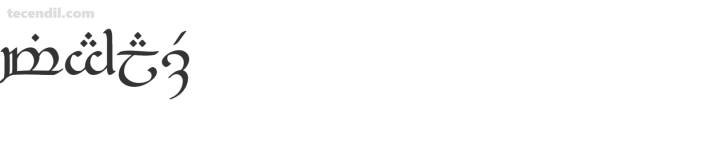
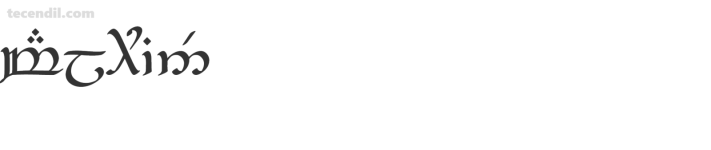
Does anyone know the reliabliity of https://www.tecendil.com/ ? I put in Mincalassë and Malhuinë and got very different scripts that my prior attempt...so I'm wondering what is right. tecendil at least has a document explaining how it transcribes....
 

Attachments

  • Tecendil screenshot-Mincalassë.png
    Tecendil screenshot-Mincalassë.png
    5.7 KB · Views: 17
  • Tecendil screenshot-Malhuinë.png
    Tecendil screenshot-Malhuinë.png
    5.8 KB · Views: 19

Today's events

Similar threads

Back
Top