
-
 Welcome to The Tolkien Forum! Connect with fellow Tolkien enthusiasts and join a community that is over two decades old, and still going strong. We look forward to meeting you. Register
You are using an out of date browser. It may not display this or other websites correctly.
You should upgrade or use an alternative browser.
You should upgrade or use an alternative browser.
Is it certain that Ecthelion was born in Valinor?
- Thread starter Turin_Turambar
- Start date

Elthir
Cat in a Coat
- Joined
- Nov 28, 2004
- Messages
- 3,943
The Elves of Aman were lechind "Flame-eyed" and Ecthelion is said to have bent his bright glance upon Tuor . . . then again, Turin, for example is said to have bright eyes . . . and I wouldn't argue that the mere description necessarily means "from Aman" . . . so I don't know why I brought it up!
I think Alcuin already answered this question in another thread of yours.
Anyway, if you mean is there a specific statement concerning this, if I recall correctly, Alcuin didn't mention one, and I can't think of one either -- and I'm not looking at The Fall of Gondolin from The Book of Lost Tales, as that's a very early source.
If pressed to guess I'd say yes, Ecthelion hailed from Aman.
But keep in mind we are dealing with an unfinished, never-published-by-Tolkien-himself stack of "Silmarillion" writings. Surely Glorfindel was a Noldo who left Valinor in the host of Turgon -- Tolkien even wrote this specifically in a very late text (Last Writings, Glorfindel II) . . .
. . . while in the same text, three paragraphs earlier, Tolkien mused, at least for a moment, that Glorfindel might be a Sindarin elf who had joined the host of Turgon (he rejected this, but still)!
🐾
I think Alcuin already answered this question in another thread of yours.
Anyway, if you mean is there a specific statement concerning this, if I recall correctly, Alcuin didn't mention one, and I can't think of one either -- and I'm not looking at The Fall of Gondolin from The Book of Lost Tales, as that's a very early source.
If pressed to guess I'd say yes, Ecthelion hailed from Aman.
But keep in mind we are dealing with an unfinished, never-published-by-Tolkien-himself stack of "Silmarillion" writings. Surely Glorfindel was a Noldo who left Valinor in the host of Turgon -- Tolkien even wrote this specifically in a very late text (Last Writings, Glorfindel II) . . .
. . . while in the same text, three paragraphs earlier, Tolkien mused, at least for a moment, that Glorfindel might be a Sindarin elf who had joined the host of Turgon (he rejected this, but still)!
🐾
Last edited:

Turin_Turambar
Mormegil
- Joined
- Mar 25, 2021
- Messages
- 532
all the signs we have show that ecthelion came from the aman. But is it certain that ecthelion followed the host of fingolfin as he came from aman to middle-earth? Are there any quotes or canons from any book about this?The Elves of Aman were lechind "Flame-eyed" and Ecthelion is said to have bent his bright glance upon Tuor . . . then again, Turin, for example is said to have bright eyes . . . and I wouldn't argue that the mere description necessarily means "from Aman" . . . so I don't know why I brought it up!
I think Alcuin already answered this question in another thread of yours.
Anyway, if you mean is there a specific statement concerning this, if I recall correctly, Alcuin didn't mention one, and I can't think of one either -- and I'm not looking at The Fall of Gondolin from The Book of Lost Tales, as that's a very early source.
If pressed to guess I'd say yes, Ecthelion hailed from Aman.
But keep in mind we are dealing with an unfinished, never-published-by-Tolkien-himself stack of "Silmarillion" writings. Surely Glorfindel was a Noldo who left Valinor in the host of Turgon -- Tolkien even wrote this specifically in a very late text (Last Writings, Glorfindel II) . . .
. . . while in the same text, three paragraphs earlier, Tolkien mused, at least for a moment, that Glorfindel might be a Sindarin elf who had joined the host of Turgon (he rejected this, but still)!
🐾
Elthir
Cat in a Coat
- Joined
- Nov 28, 2004
- Messages
- 3,943
What is certain is that, thanks to recent threads, I have now memorized every reference to Ecthelion in The History of Middle-Earth twelve book series, plus Unfinished Tales.

Hmm. And I don't think Tolkien himself ever published anything about Ecthelion the Elf.
Anywho, as Alcuin already suggested in another thread, there's no "certainty" with regard to a specific text. And so far I can't find one either > Ecthelion is usually mentioned in a Fall-of-Gondolin context,
but again, if forced to guess, I'd say he left Aman in the host of Fingolfin.
Or to put it another way, I doubt he was in the host of Feanor
In a very late text, Tolkien describes that Glorfindel left Aman "in the host of Turgon" and that Turgon had been elected "supreme lord of the Noldorin hosts" with a third host given to Finarfin.
This late stuff is a departure from earlier text, where the Noldor set forth divided into two hosts: the Feanoreans first, with the greater host behind Fingolfin. This is the scenario that Christopher Tolkien chose for his constructed Silmarillion published in 1977 > although in any case, the Finarfinians were in the rear of Fingolfin's host.
🐾
Hmm. And I don't think Tolkien himself ever published anything about Ecthelion the Elf.
Anywho, as Alcuin already suggested in another thread, there's no "certainty" with regard to a specific text. And so far I can't find one either > Ecthelion is usually mentioned in a Fall-of-Gondolin context,
but again, if forced to guess, I'd say he left Aman in the host of Fingolfin.
Or to put it another way, I doubt he was in the host of Feanor
In a very late text, Tolkien describes that Glorfindel left Aman "in the host of Turgon" and that Turgon had been elected "supreme lord of the Noldorin hosts" with a third host given to Finarfin.
This late stuff is a departure from earlier text, where the Noldor set forth divided into two hosts: the Feanoreans first, with the greater host behind Fingolfin. This is the scenario that Christopher Tolkien chose for his constructed Silmarillion published in 1977 > although in any case, the Finarfinians were in the rear of Fingolfin's host.
🐾
Turin_Turambar
Mormegil
- Joined
- Mar 25, 2021
- Messages
- 532
Well, I have a question. If the history of glorfindel is known, does it say that glorfindel follows turgon and is in the battle of lammoth and in dagor aglareb in the middle-earth volume books? because in an article in my own language, there was an article like this;What is certain is that, thanks to recent threads, I have now memorized every reference to Ecthelion in The History of Middle-Earth twelve book series, plus Unfinished Tales.
Hmm. And I don't think Tolkien himself ever published anything about Ecthelion the Elf.
Anywho, as Alcuin already suggested in another thread, there's no "certainty" with regard to a specific text. And so far I can't find one either > Ecthelion is usually mentioned in a Fall-of-Gondolin context,
but again, if forced to guess, I'd say he left Aman in the host of Fingolfin.
Or to put it another way, I doubt he was in the host of Feanor
In a very late text, Tolkien describes that Glorfindel left Aman "in the host of Turgon" and that Turgon had been elected "supreme lord of the Noldorin hosts" with a third host given to Finarfin.
This late stuff is a departure from earlier text, where the Noldor set forth divided into two hosts: the Feanoreans first, with the greater host behind Fingolfin. This is the scenario that Christopher Tolkien chose for his constructed Silmarillion published in 1977 > although in any case, the Finarfinians were in the rear of Fingolfin's host.
🐾
The greatest heroism of glorfindel, who took part in many struggles, including nirnaeth arnoediad, was in the fall of the gondolin.
Elthir
Cat in a Coat
- Joined
- Nov 28, 2004
- Messages
- 3,943
Didn't folks look at Glorfindel/Lammoth/Aglareb in your earlier thread?
Ecthelion and glorfindel fought in all the battles of beleriand?
Ecthelion and glorfindel fought in all the battles of beleriand?
Elthir
Cat in a Coat
- Joined
- Nov 28, 2004
- Messages
- 3,943
Everything Ecthelion (almost)
As the following looks at an external history, some repetition is expected, but there are changes as well. Also, I've left out some references where Christopher Tolkien goes over the same information from the text.
The Gnomish Lexicon published in Parma Eldalamberon 11
Ecthelion "Lord of the Fountains. a captain of the Gnomes of Gondolin, who perished in the King’s Fountain at the sack of that city. (Tale of Tuor.) cp. aithl. -- aithl (ektl) a spring -- ectha- archaic or poetic to spout, jet. = cectha -- cectha- to spout out. cp. caithl. also ecthelin, etc. -- caithl source, fount. origin." GL (a combination of entries)
The History of Middle-Earth (HME), twelve volumes
HME I
Christopher Tolkien " . . . called Kosomot: this, it will emerge later, was Gothmog Lord of Balrogs, whom Ecthelion slew in Gondolin."
HME II
“Then came there from the south of the city the people of the Fountain, and Ecthelion was their lord, and silver and diamonds . . .” The Fall of Gondolin (FG)
Turgon calls a council, and “Ecthelion of the voice of music” attended. FG
pages 180-184 of FG describe that Ecthelion and his folk had been held in reserve till “now” – then Ecthelion calls for the drawing of swords and his folk slew more goblins “than fell ever in all the battles of the Edalie" -- it's also said that Ecthelion’s name is a terror among the goblins “to this latest day” and a warcry to the Eldar.
Tuor and Ecthelion continue the fight, and Ecthelion “shore through two captains of the goblins at a sweep” and then killed Orcobal “their chiefest champion” -- then he slays three Balrogs (here Tuor slays some seemingly notable Orcs as well, and five Balrogs).
And as I noted in another thread, Ecthelion is ultimately wounded (Balrog whip to the arm) "and his shield fell to earth even as that dragon of fire drew nigh amid the ruin of the walls" Tuor hews at the foot of the creature and lifts Ecthelion, saving him from the drake -- he takes Ecthelion to the fountain, and after Ecthelion revives from a swoon, he ultimately takes on Gothmog and they both perish.
Regarding the Balrogs in this version, I keep in mind Christopher Tolkien comments here: “The early conception of the Balrogs makes them less terrible, and certainly more destructible, than they afterwards became. . .” commentary, FG
“Mother Idril, I would we had good Ecthelion of the Fountain here to play to me on his flute, or make me willow-whistles!” FG
Ecthelion “was that lord of the house of the Fountain, who had the fairest voice and was most skilled in musics of all the Gondothlim. He won renown for ever by his slaying of Gothmog son of Melko, whereby Tuor was saved from death but Ecthelion was drowned with his foe in the king’s fountain.” Name-list to FG
Glorfindel “led the Golden Flower and was the best beloved of the Gondothlim, save it be Ecthelion, but who shall choose.” Name-list to FG
HME III -- no references
HME IV
“For Feanor was wounded to the death by Gothmog, Lord of Balrogs, whom Ecthelion after slew in Gondolin.” Qenta Noldorinwa section 8
“ . . . is much told in The Fall of Gondolin; of the death of Rog without the walls; and of the battle of Ecthelion of the Fountain with Gothmog lord of Balrogs in the very square of the king, where each slew the other, . . “ Qenta Noldorinwa section 16
“The orcs sacked Gondolin and destroyed the king and most of his people; but Ecthelion of the fountain slew there Gothmog lord of Balrogs ere he fell.” The Earliest Annals of Beleriand
HME V
“The orcs sacked Gondolin, and destroyed King Turgon and most of his people; but Ecthelion of the Fountain slew there Gothmog, Lord of Balrogs, ere he fell.” The Later Annals of Beleriand
“ . . . Lord of Balrogs, whom Ecthelion after slew in Gondolin.” Quenta Silmarillion chapter 8
“EK- EKTE- spear Q ehte spear, ehtar spearman. N aith spearpoint, êg thorn, cf. Egthelion, Ecthelion [STELEG] STELEG- N thela point (of spear); egthel, ecthel, cf. Ecthelion (see EK)"
The Etymologies
HME VI — HME IX -- draft history of The Lord of the Rings.
One mention in Volume VIII:
Note 13, Minas Tirith, Christopher Tolkien notes: "( . . . ) Denethor's father Ecthelion was the second steward of that name (which derives from the legend of the Fall of Gondolin: see II. 212, footnote).
HME X -- no reference
HME XI
“ . . . but at last Gothmog*" [marginal note] "whom Ecthelion afterward slew in Gondolin.”
The Grey Annals section 45
“And Turgon appointed three lords of his household . . .”
“On B(i) only, my father penciled with reference to these opening words the names Glorfindel, Egalmoth, and Ecthelion, and also “On etymologies of Egalmoth and Ecthelion see note”
Christopher Tolkien, commentary to Maeglin.
Tolkien notes that the name Ecthelion is from the “primitive FG" but is well sounding and has been in print” [here "in print" does not refer to the Elf though]. JRRT adds that the name must be from Aegthelion. “Later element is a derivative of STEL- “remain firm””
“Her [Aredhel] escort though valiant chiefs would seem to have been so bewildered and daunted by the horrors of the valleys west of Esgalduin that they had never reached the bridge of Esgalduin or come near to Aglond. This makes it necessary, I think, not to name the most eminent and bravest chieftains (Glorfindel, Egalmoth, and Ecthelion) as her escort.” JRRT, Maeglin
HME XII -- no reference
Unfinished Tales
“Warden of the Great Gate” early 1950s revised Fall of Gondolin
“And high and noble as was Elemmakil, greater and more lordly was Ecthelion, Lord of the Fountains, at that time Warden of the Great Gate. All in silver was he clad, and upon his shining helm there was set a spike of steel pointed with a diamond; and as his esquire took his shield it shimmered as if it were bedewed with drops of rain, that were indeed a thousand studs of crystal.” early 1950s FG
“Then Ecthelion turned to Tuor . . .” early 1950s FG
“But Ecthelion bent his bright glace upon Tuor . . .” early 1950s FG
“For a while Ecthelion stood silent, looking at Tuor, and slowly awe filled his face ( . . .) Then he bowed, and went to the fence and laid hands upon it, and gates opened inward . . .”
early 1950s FG
“Then Ecthelion said at last: “Now no further proof is needed; and even the name he claims as son of Huor matters less than this clear truth, that he comes from Ulmo himself.” early 1950s FG
“Ecthelion gave orders for the sounding of the signal, and trumpets were blown . . .”
among the hasty jottings indicating the course of the story, early 1950s FG
The Letters of JRR Tolkien -- no mention
The constructed Silmarillion published 1977, Christopher Tolkien
Of the four page references the only possibly “notable” differences from HME appear to be:
Of The Fifth Battle a Tolkien-written source for naming the captains Ecthelion and Glorfindel with respect to guarding the flanks of Turgon’s retreat toward the Pass of Sirion -- it's in The Children of Húrin version -- as compiled and later published by Christopher Tolkien.
And a couple references in the chapter Of Tuor And The Fall Of Gondolin seem to be taken from the 1950s Fall of Gondolin and notes (Unfinished Tales).
🐾
As the following looks at an external history, some repetition is expected, but there are changes as well. Also, I've left out some references where Christopher Tolkien goes over the same information from the text.
The Gnomish Lexicon published in Parma Eldalamberon 11
Ecthelion "Lord of the Fountains. a captain of the Gnomes of Gondolin, who perished in the King’s Fountain at the sack of that city. (Tale of Tuor.) cp. aithl. -- aithl (ektl) a spring -- ectha- archaic or poetic to spout, jet. = cectha -- cectha- to spout out. cp. caithl. also ecthelin, etc. -- caithl source, fount. origin." GL (a combination of entries)
The History of Middle-Earth (HME), twelve volumes
HME I
Christopher Tolkien " . . . called Kosomot: this, it will emerge later, was Gothmog Lord of Balrogs, whom Ecthelion slew in Gondolin."
HME II
“Then came there from the south of the city the people of the Fountain, and Ecthelion was their lord, and silver and diamonds . . .” The Fall of Gondolin (FG)
Turgon calls a council, and “Ecthelion of the voice of music” attended. FG
pages 180-184 of FG describe that Ecthelion and his folk had been held in reserve till “now” – then Ecthelion calls for the drawing of swords and his folk slew more goblins “than fell ever in all the battles of the Edalie" -- it's also said that Ecthelion’s name is a terror among the goblins “to this latest day” and a warcry to the Eldar.
Tuor and Ecthelion continue the fight, and Ecthelion “shore through two captains of the goblins at a sweep” and then killed Orcobal “their chiefest champion” -- then he slays three Balrogs (here Tuor slays some seemingly notable Orcs as well, and five Balrogs).
And as I noted in another thread, Ecthelion is ultimately wounded (Balrog whip to the arm) "and his shield fell to earth even as that dragon of fire drew nigh amid the ruin of the walls" Tuor hews at the foot of the creature and lifts Ecthelion, saving him from the drake -- he takes Ecthelion to the fountain, and after Ecthelion revives from a swoon, he ultimately takes on Gothmog and they both perish.
Regarding the Balrogs in this version, I keep in mind Christopher Tolkien comments here: “The early conception of the Balrogs makes them less terrible, and certainly more destructible, than they afterwards became. . .” commentary, FG
“Mother Idril, I would we had good Ecthelion of the Fountain here to play to me on his flute, or make me willow-whistles!” FG
Ecthelion “was that lord of the house of the Fountain, who had the fairest voice and was most skilled in musics of all the Gondothlim. He won renown for ever by his slaying of Gothmog son of Melko, whereby Tuor was saved from death but Ecthelion was drowned with his foe in the king’s fountain.” Name-list to FG
Glorfindel “led the Golden Flower and was the best beloved of the Gondothlim, save it be Ecthelion, but who shall choose.” Name-list to FG
HME III -- no references
HME IV
“For Feanor was wounded to the death by Gothmog, Lord of Balrogs, whom Ecthelion after slew in Gondolin.” Qenta Noldorinwa section 8
“ . . . is much told in The Fall of Gondolin; of the death of Rog without the walls; and of the battle of Ecthelion of the Fountain with Gothmog lord of Balrogs in the very square of the king, where each slew the other, . . “ Qenta Noldorinwa section 16
“The orcs sacked Gondolin and destroyed the king and most of his people; but Ecthelion of the fountain slew there Gothmog lord of Balrogs ere he fell.” The Earliest Annals of Beleriand
HME V
“The orcs sacked Gondolin, and destroyed King Turgon and most of his people; but Ecthelion of the Fountain slew there Gothmog, Lord of Balrogs, ere he fell.” The Later Annals of Beleriand
“ . . . Lord of Balrogs, whom Ecthelion after slew in Gondolin.” Quenta Silmarillion chapter 8
“EK- EKTE- spear Q ehte spear, ehtar spearman. N aith spearpoint, êg thorn, cf. Egthelion, Ecthelion [STELEG] STELEG- N thela point (of spear); egthel, ecthel, cf. Ecthelion (see EK)"
The Etymologies
HME VI — HME IX -- draft history of The Lord of the Rings.
One mention in Volume VIII:
Note 13, Minas Tirith, Christopher Tolkien notes: "( . . . ) Denethor's father Ecthelion was the second steward of that name (which derives from the legend of the Fall of Gondolin: see II. 212, footnote).
HME X -- no reference
HME XI
“ . . . but at last Gothmog*" [marginal note] "whom Ecthelion afterward slew in Gondolin.”
The Grey Annals section 45
“And Turgon appointed three lords of his household . . .”
“On B(i) only, my father penciled with reference to these opening words the names Glorfindel, Egalmoth, and Ecthelion, and also “On etymologies of Egalmoth and Ecthelion see note”
Christopher Tolkien, commentary to Maeglin.
Tolkien notes that the name Ecthelion is from the “primitive FG" but is well sounding and has been in print” [here "in print" does not refer to the Elf though]. JRRT adds that the name must be from Aegthelion. “Later element is a derivative of STEL- “remain firm””
“Her [Aredhel] escort though valiant chiefs would seem to have been so bewildered and daunted by the horrors of the valleys west of Esgalduin that they had never reached the bridge of Esgalduin or come near to Aglond. This makes it necessary, I think, not to name the most eminent and bravest chieftains (Glorfindel, Egalmoth, and Ecthelion) as her escort.” JRRT, Maeglin
HME XII -- no reference
Unfinished Tales
“Warden of the Great Gate” early 1950s revised Fall of Gondolin
“And high and noble as was Elemmakil, greater and more lordly was Ecthelion, Lord of the Fountains, at that time Warden of the Great Gate. All in silver was he clad, and upon his shining helm there was set a spike of steel pointed with a diamond; and as his esquire took his shield it shimmered as if it were bedewed with drops of rain, that were indeed a thousand studs of crystal.” early 1950s FG
“Then Ecthelion turned to Tuor . . .” early 1950s FG
“But Ecthelion bent his bright glace upon Tuor . . .” early 1950s FG
“For a while Ecthelion stood silent, looking at Tuor, and slowly awe filled his face ( . . .) Then he bowed, and went to the fence and laid hands upon it, and gates opened inward . . .”
early 1950s FG
“Then Ecthelion said at last: “Now no further proof is needed; and even the name he claims as son of Huor matters less than this clear truth, that he comes from Ulmo himself.” early 1950s FG
“Ecthelion gave orders for the sounding of the signal, and trumpets were blown . . .”
among the hasty jottings indicating the course of the story, early 1950s FG
The Letters of JRR Tolkien -- no mention
The constructed Silmarillion published 1977, Christopher Tolkien
Of the four page references the only possibly “notable” differences from HME appear to be:
Of The Fifth Battle a Tolkien-written source for naming the captains Ecthelion and Glorfindel with respect to guarding the flanks of Turgon’s retreat toward the Pass of Sirion -- it's in The Children of Húrin version -- as compiled and later published by Christopher Tolkien.
And a couple references in the chapter Of Tuor And The Fall Of Gondolin seem to be taken from the 1950s Fall of Gondolin and notes (Unfinished Tales).
🐾
Last edited:
Turin_Turambar
Mormegil
- Joined
- Mar 25, 2021
- Messages
- 532
I have a question. On what do you and other Tolkien fans base your assumption that ecthelion followed House Fingolfin and settled in the nevrast after his exile? What is the source of this assumption?Everything Ecthelion (almost)
As the following looks at an external history, some repetition is expected, but there are changes as well. Also, I've left out some references where Christopher Tolkien goes over the same information from the text.
The Gnomish Lexicon published in Parma Eldalamberon 11
Ecthelion "Lord of the Fountains. a captain of the Gnomes of Gondolin, who perished in the King’s Fountain at the sack of that city. (Tale of Tuor.) cp. aithl. -- aithl (ektl) a spring -- ectha- archaic or poetic to spout, jet. = cectha -- cectha- to spout out. cp. caithl. also ecthelin, etc. -- caithl source, fount. origin." GL (a combination of entries)
The History of Middle-Earth (HME), twelve volumes
HME I
One reference according to the HME index, but I can’t seem to locate my copy of HME I!
Anyone? I’ll edit it in here if anyone can quote it for me. Or I’ll buy another copy!
HME II
“Then came there from the south of the city the people of the Fountain, and Ecthelion was their lord, and silver and diamonds . . .” The Fall of Gondolin (FG)
Turgon calls a council, and “Ecthelion of the voice of music” attended. FG
pages 180-184 of FG describe that Ecthelion and his folk had been held in reserve till “now” – then Ecthelion calls for the drawing of swords and his folk slew more goblins “than fell ever in all the battles of the Edalie" -- it's also said that Ecthelion’s name is a terror among the goblins “to this latest day” and a warcry to the Eldar.
Tuor and Ecthelion continue the fight, and Ecthelion “shore through two captains of the goblins at a sweep” and then killed Orcobal “their chiefest champion” -- then he slays three Balrogs (here Tuor slays some seemingly notable Orcs as well, and five Balrogs).
And as I noted in another thread, Ecthelion is ultimately wounded (Balrog whip to the arm) "and his shield fell to earth even as that dragon of fire drew nigh amid the ruin of the walls" Tuor hews at the foot of the creature and lifts Ecthelion, saving him from the drake -- he takes Ecthelion to the fountain, and after Ecthelion revives from a swoon, he ultimately takes on Gothmog and they both perish.
Regarding the Balrogs in this version, I keep in mind Christopher Tolkien comments here: “The early conception of the Balrogs makes them less terrible, and certainly more destructible, than they afterwards became. . .” commentary, FG
“Mother Idril, I would we had good Ecthelion of the Fountain here to play to me on his flute, or make me willow-whistles!” FG
Ecthelion “was that lord of the house of the Fountain, who had the fairest voice and was most skilled in musics of all the Gondothlim. He won renown for ever by his slaying of Gothmog son of Melko, whereby Tuor was saved from death but Ecthelion was drowned with his foe in the king’s fountain.” Name-list to FG
Glorfindel “led the Golden Flower and was the best beloved of the Gondothlim, save it be Ecthelion, but who shall choose.” Name-list to FG
HME III -- no references
HME IV
“For Feanor was wounded to the death by Gothmog, Lord of Balrogs, whom Ecthelion after slew in Gondolin.” Qenta Noldorinwa section 8
“ . . . is much told in The Fall of Gondolin; of the death of Rog without the walls; and of the battle of Ecthelion of the Fountain with Gothmog lord of Balrogs in the very square of the king, where each slew the other, . . “ Qenta Noldorinwa section 16
“The orcs sacked Gondolin and destroyed the king and most of his people; but Ecthelion of the fountain slew there Gothmog lord of Balrogs ere he fell.” The Earliest Annals of Beleriand
HME V
“The orcs sacked Gondolin, and destroyed King Turgon and most of his people; but Ecthelion of the Fountain slew there Gothmog, Lord of Balrogs, ere he fell.” The Later Annals of Beleriand
“ . . . Lord of Balrogs, whom Ecthelion after slew in Gondolin.” Quenta Silmarillion chapter 8
“EK- EKTE- spear Q ehte spear, ehtar spearman. N aith spearpoint, êg thorn, cf. Egthelion, Ecthelion [STELEG] STELEG- N thela point (of spear); egthel, ecthel, cf. Ecthelion (see EK)"
The Etymologies
HME VI — HME IX -- draft history of The Lord of the Rings.
One mention in Volume VIII (I think), but I've yet to check my copy of this volume too . . . though at least here, I know where it is.
HME X -- no reference
HME XI
“ . . . but at last Gothmog*" [marginal note] "whom Ecthelion afterward slew in Gondolin.”
The Grey Annals section 45
“And Turgon appointed three lords of his household . . .”
“On B(i) only, my father penciled with reference to these opening words the names Glorfindel, Egalmoth, and Ecthelion, and also “On etymologies of Egalmoth and Ecthelion see note”
Christopher Tolkien, commentary to Maeglin.
Tolkien notes that the name Ecthelion is from the “primitive FG" but is well sounding and has been in print” [here "in print" does not refer to the Elf though]. JRRT adds that the name must be from Aegthelion. “Later element is a derivative of STEL- “remain firm””
“Her [Aredhel] escort though valiant chiefs would seem to have been so bewildered and daunted by the horrors of the valleys west of Esgalduin that they had never reached the bridge of Esgalduin or come near to Aglond. This makes it necessary, I think, not to name the most eminent and bravest chieftains (Glorfindel, Egalmoth, and Ecthelion) as her escort.” JRRT, Maeglin
HME XII -- no reference
Unfinished Tales
“Warden of the Great Gate” early 1950s revised Fall of Gondolin
“And high and noble as was Elemmakil, greater and more lordly was Ecthelion, Lord of the Fountains, at that time Warden of the Great Gate. All in silver was he clad, and upon his shining helm there was set a spike of steel pointed with a diamond; and as his esquire took his shield it shimmered as if it were bedewed with drops of rain, that were indeed a thousand studs of crystal.” early 1950s FG
“Then Ecthelion turned to Tuor . . .” early 1950s FG
“But Ecthelion bent his bright glace upon Tuor . . .” early 1950s FG
“For a while Ecthelion stood silent, looking at Tuor, and slowly awe filled his face ( . . .) Then he bowed, and went to the fence and laid hands upon it, and gates opened inward . . .”
early 1950s FG
“Then Ecthelion said at last: “Now no further proof is needed; and even the name he claims as son of Huor matters less than this clear truth, that he comes from Ulmo himself.” early 1950s FG
“Ecthelion gave orders for the sounding of the signal, and trumpets were blown . . .”
among the hasty jottings indicating the course of the story, early 1950s FG
The Letters of JRR Tolkien -- no mention
The constructed Silmarillion published 1977, Christopher Tolkien
Of the four page references the only possibly “notable” differences from HME appear to be:
Of The Fifth Battle I can’t yet find a Tolkien-written source for naming the captains Ecthelion and Glorfindel with respect to guarding the flanks of Turgon’s retreat toward the Pass of Sirion.
Editorial addition maybe?
And a couple references in the chapter Of Tuor And The Fall Of Gondolin seem to be taken from the 1950s Fall of Gondolin and notes (Unfinished Tales).
🐾
Elthir
Cat in a Coat
- Joined
- Nov 28, 2004
- Messages
- 3,943
Technically I said if forced to guess
and it's not based on much really . . .. . . basically, Ecthelion ended up with Turgon in Gondolin. And if he came from Aman, in the "two host" scenario it's either Fingolfin's host (father of Turgon) . . . or Feanor's host.
As an aside, while I'm not saying it needs to be Ecthelion, or "needs" to be anyone really, in any case I wouldn't have minded at least one lord of a given house in Gondolin to be Sindarin.
Oh well, one more reason to say: "if only" Tolkien had finished the 1950s Fall of Gondolin. Alas.
🐾
Turin_Turambar
Mormegil
- Joined
- Mar 25, 2021
- Messages
- 532
It's written on the lotr fandom wiki that ecthelion follows fingolfin.Technically I said if forced to guess
. . . basically, Ecthelion ended up with Turgon in Gondolin. And if he came from Aman, in the "two host" scenario, it's either Fingolfin's host (father of Turgon) . . . or Feanor's host.
As an aside, while I'm not saying it needs to be Ecthelion, or "needs" to be anyone really, in any case I wouldn't have minded at least one Lord of a given House in Gondolin to be Sindarin.
Oh well, one more reason to say: "if only" Tolkien had finished the 1950s Fall of Gondolin. Alas.
🐾
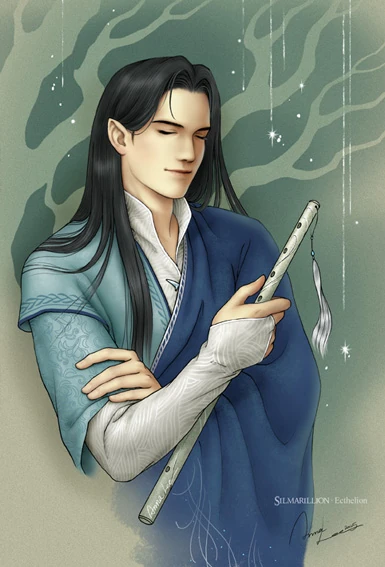
Ecthelion (Elf of Gondolin)
Ecthelion, or Ecthelion of the Fountain, was a mighty lord of Gondolin in the First Age of Middle-earth, and one of its greatest heroes. Most of Ecthelion's early life is unknown, though he may have lived in Aman and as one of the followers of Fingolfin. It is known that he passed through the...
 lotr.fandom.com
Turin_Turambar
Mormegil
- Joined
- Mar 25, 2021
- Messages
- 532
Yes, maybe.And unless I'm missing a source in my post above, Tolkien never specifically wrote this . . . so I'm not sure what your response here is intended to say -- maybe to show me that other folk agree with my guess?
Elthir
Cat in a Coat
- Joined
- Nov 28, 2004
- Messages
- 3,943
I'll add this with respect to how I approach Tolkien-based web sites: generally speaking, I'm wary of them. I usually stick to the Tolkien-written sources, the primary sources.
Even the well known Tolkien scholar Tom Shippey once gave his opinion about the words orc and goblin for example, and not only do I disagree with his comments on the matter, but he relied on a secondary source that turned out to be wrong, thus misguiding him, whatever his conclusions. . .
. . . obviously not the usual for Tom Shippey, but the example sticks in my mind because I've done a lot of work on that matter myself.
Anyway I go to my books for Tolkien. Sometimes I go to certain websites just to see how it describes a given issue: a good scholar or contributor will know how to be descriptive -- as in, describe something without "silently" mixing opinions with fact.
And I sometimes find that some descriptions merely leave out what JRRT never says directly. For a relevant example here, if I recall correctly, I read at least one site that doesn't even attempt to give Ecthelion's early background/story, but basically starts with what is known of him as he appears in the narrative.
🐾
Even the well known Tolkien scholar Tom Shippey once gave his opinion about the words orc and goblin for example, and not only do I disagree with his comments on the matter, but he relied on a secondary source that turned out to be wrong, thus misguiding him, whatever his conclusions. . .
. . . obviously not the usual for Tom Shippey, but the example sticks in my mind because I've done a lot of work on that matter myself.
Anyway I go to my books for Tolkien. Sometimes I go to certain websites just to see how it describes a given issue: a good scholar or contributor will know how to be descriptive -- as in, describe something without "silently" mixing opinions with fact.
And I sometimes find that some descriptions merely leave out what JRRT never says directly. For a relevant example here, if I recall correctly, I read at least one site that doesn't even attempt to give Ecthelion's early background/story, but basically starts with what is known of him as he appears in the narrative.
🐾
Last edited:
In a wiki like lotr fandom whoever wants can edit the text and make claims without providing a reference on which source that claim is based. I do not recommend to use lotr fandom. henneth-annun.net uses quotes from Tolkien's works and Tolkien Gateway usually contains references and has active users that look at recent changes and highlight when a claim does not have a reference. YouTube channels are often an unreliable source.It's written on the lotr fandom wiki that ecthelion follows fingolfin.
Ecthelion (Elf of Gondolin)
Ecthelion, or Ecthelion of the Fountain, was a mighty lord of Gondolin in the First Age of Middle-earth, and one of its greatest heroes. Most of Ecthelion's early life is unknown, though he may have lived in Aman and as one of the followers of Fingolfin. It is known that he passed through the...
Elthir
Cat in a Coat
- Joined
- Nov 28, 2004
- Messages
- 3,943
I have now revived my new copy of HOME I, and thus I can finally finish my post above concerning HOME and Ecthelion the Elf. Here's the reference (I also edited it in, above):
Christopher Tolkien: " . . . called Kosomot: this, it will emerge later, was Gothmog Lord of Balrogs, whom Ecthelion slew in Gondolin."
Well, it was still worth it.
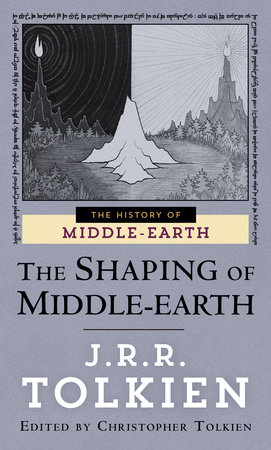
I like these versions. Here's the cover of book I.

Christopher Tolkien: " . . . called Kosomot: this, it will emerge later, was Gothmog Lord of Balrogs, whom Ecthelion slew in Gondolin."
Well, it was still worth it.
I like these versions. Here's the cover of book I.

- Joined
- Apr 9, 2018
- Messages
- 11,362
A good candidate for the Book Covers thread -- if you remember that far back. 😁
Elthir
Cat in a Coat
- Joined
- Nov 28, 2004
- Messages
- 3,943
Trying to find more covers in this series. Can't seem to find all of HOME yet, but in my opinion
a version of TH and COH (which I also bought) look similar at least.
Anyway, it's not the book cover thread, but here's one more . . . since I'm here.
Must look for book cover thread at some point!
If I remember
a version of TH and COH (which I also bought) look similar at least.
Anyway, it's not the book cover thread, but here's one more . . . since I'm here.
Must look for book cover thread at some point!
If I remember
Elthir
Cat in a Coat
- Joined
- Nov 28, 2004
- Messages
- 3,943
Of The Fifth Battle I can’t yet find a Tolkien-written source for naming the captains Ecthelion and Glorfindel with respect to guarding the flanks of Turgon’s retreat toward the Pass of Sirion.
Editorial addition maybe?
It's in the COH version you ydiot. Hey Elthir, read a book (The Children of Húrin) whydontcha!
Similar threads
- Replies
- 6
- Views
- 4K


- Replies
- 1
- Views
- 707


- Replies
- 3
- Views
- 1K

- Replies
- 2
- Views
- 1K
Today's events


Similar threads
-
Who's a Noldor, Who's a Sindar, & Who's a Dark 🧝Elf?
- Started by Slimybug
- Replies: 6
-
Tolkien Bible Crossover series short stories compendium
- Started by Roy Lores
- Replies: 1
-

-
-
Fanfic One Life For The Sake of The Rest
- Started by Tyelkormo the Fair
- Replies: 2


